
Understanding the psychology behind gambling behaviors in casinos
Understanding the psychology behind gambling behaviors in casinos
The Allure of the Casino Environment
The casino environment is meticulously designed to captivate and entice players. Bright lights, vibrant colors, and upbeat sounds all contribute to creating an atmosphere that stimulates excitement and anticipation. This sensory overload can lead to what psychologists call the “excitation transfer theory,” where heightened emotional states amplify feelings of pleasure and thrill associated with gambling. Players find themselves immersed in this world, often losing track of time and their surroundings. Additionally, many are drawn to platforms like King Billy, which offers a diverse array of gaming options.
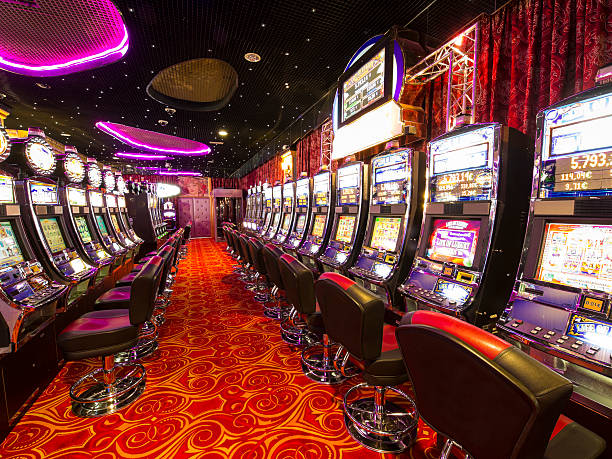
Additionally, casinos employ strategic layouts that encourage players to engage with various games. The placement of slot machines, table games, and other attractions is intentional. For instance, popular machines are positioned near entrances to draw in newcomers, while high-stakes tables are located in secluded areas to foster a sense of exclusivity. This careful arrangement can create a psychological push for players to try their luck, enhancing the overall gaming experience.
Moreover, the presence of fellow gamblers can act as a social catalyst. Observing others winning or having fun can evoke feelings of competitiveness and FOMO—fear of missing out. This social influence is powerful, as players often rationalize their participation based on the perceived success of others, leading to more impulsive gambling behaviors. Therefore, the casino environment serves as a potent psychological playground, encouraging individuals to engage in risk-taking behavior.
The Role of Luck Versus Skill
The debate between luck and skill in gambling is a fascinating psychological phenomenon. Many players believe that skill is a crucial factor in games like poker or blackjack, where strategy and decision-making play significant roles. This perception can lead to a false sense of control, where players feel they can influence outcomes through their abilities. This illusion of control can contribute to increased gambling frequency, as individuals may believe that they can consistently achieve success based on their skills.
On the other hand, games like slots are purely based on chance, leading players to rely heavily on luck. The random nature of these games can evoke excitement and unpredictability, making them highly appealing. However, this reliance on luck can also result in frustration and disappointment, especially when players experience losing streaks. The psychological concept of cognitive dissonance may arise, where players struggle to reconcile their expectations with reality, often leading to a cycle of chasing losses.
Ultimately, the interplay between luck and skill significantly impacts gambling behaviors. Understanding this dynamic can help players recognize their motivations and behaviors. Acknowledging the role of luck can lead to healthier gambling practices, as players may become more aware of the inherent risks involved. Conversely, an overemphasis on skill can perpetuate unrealistic expectations and potentially harmful gambling habits.
Addiction and Gambling Behaviors
Gambling addiction is a serious issue that stems from a complex interplay of psychological, social, and biological factors. Many individuals are drawn into gambling due to the thrill and excitement it offers, often leading to a gradual escalation in their betting habits. The brain’s reward system becomes activated, releasing dopamine in response to wins, creating a sense of pleasure that players crave. Over time, this can develop into a compulsive behavior, where individuals prioritize gambling over other essential aspects of life.
The social environment surrounding gambling can also contribute to the development of addiction. Peer pressure, social acceptance, and the normalization of gambling within certain communities can encourage individuals to gamble more frequently. This social reinforcement can create a cycle where individuals feel compelled to continue gambling, even in the face of negative consequences. Understanding these social dynamics is crucial in addressing gambling-related issues and promoting responsible behaviors.
Furthermore, personal characteristics such as impulsivity and risk-taking tendencies play a significant role in susceptibility to gambling addiction. Individuals who exhibit high levels of impulsivity may find it challenging to resist the immediate rewards of gambling, leading to compulsive behaviors. Recognizing these traits can help individuals better manage their gambling habits and seek help if necessary. By increasing awareness of addiction and its underlying psychological factors, individuals can take proactive steps to maintain a healthier relationship with gambling.
The Impact of Superstitions and Beliefs
Superstitions and beliefs significantly influence gambling behaviors in casinos. Many players engage in rituals or practices, believing that these actions will enhance their luck. For instance, some may carry lucky charms, wear specific clothing, or avoid certain actions like saying “good luck” before a game. These behaviors can offer a sense of control in an otherwise unpredictable environment, as players attempt to influence their fate through personal rituals.
This reliance on superstition can often lead to cognitive biases, where individuals attribute wins to their rituals while dismissing losses as mere bad luck. Such biases reinforce the notion that luck can be manipulated, perpetuating a cycle of irrational beliefs. Psychologically, this can result in increased engagement in gambling activities, as players feel a sense of agency over their outcomes, even in chance-based games.
The social aspect of superstitions cannot be overlooked. Players often share beliefs and rituals, further reinforcing these behaviors within their communities. The collective nature of superstitions can create a shared narrative that makes gambling more enticing. Understanding the psychological underpinnings of these beliefs is essential for recognizing their impact on gambling behavior and promoting healthier perspectives within the gaming environment.
Exploring Online Gaming Options
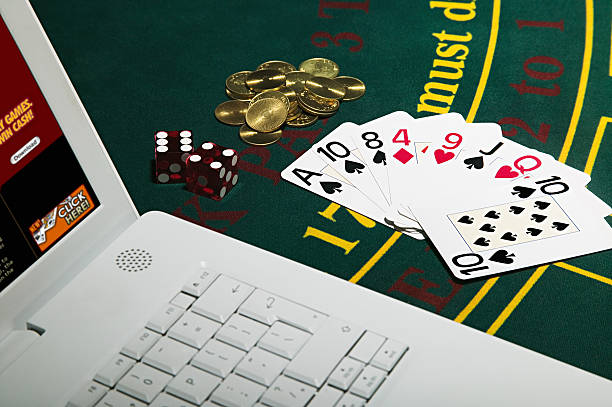
As technology advances, the realm of gambling has expanded significantly, particularly with the rise of online gaming platforms. These platforms offer a diverse range of options, attracting both casual players and seasoned gamblers. The convenience of online casinos allows players to engage in their favorite games from the comfort of their homes, leading to a shift in gambling behaviors. While this accessibility can enhance the gaming experience, it also raises concerns about responsible gambling practices.
Online gaming platforms frequently employ tactics to engage users, similar to traditional casinos. Features such as loyalty programs, promotional offers, and real-time gaming experiences can create a compelling environment that encourages more frequent play. Understanding these psychological strategies is crucial for players to navigate their online gambling experiences responsibly. Recognizing when gaming becomes excessive is essential for maintaining a healthy balance.
Moreover, many online casinos, such as King Billy Casino, prioritize player safety and responsible gaming. They offer tools for self-exclusion, deposit limits, and resources for individuals seeking help with gambling-related issues. The combination of engaging gaming experiences and responsible gaming practices creates a balanced approach that can enhance the overall gaming journey. By promoting awareness and responsible behaviors, online casinos can foster a healthier gaming environment.